


 Reviewed by
I've spent more than 15 years helping small and midsize business (SMB) owners finance their next move, and the question restaurant owners ask me most is some version of "Where should I open next?" The instinct is to chase the famous food cities. This ranking says think twice.
We scored the 50 largest U.S. metros on the numbers that decide whether a new location makes money in the restaurant industry: sales per capita, saturation (restaurants per capita), average revenue per restaurant, median household income, five-year population growth, commercial rent, and diner demand as a proxy for foot traffic.
The best market balances rent, demand, and competition, not the flashiest name or the cheapest lease. (Smaller food-forward metros like New Orleans and Charleston fall outside the 50 largest we ranked.) Sort the full ranking by any column to compare all 50 metros, whether you're scouting the best cities to start a restaurant or open your next one.
The Top 10 Cities To Open a Restaurant in 2026
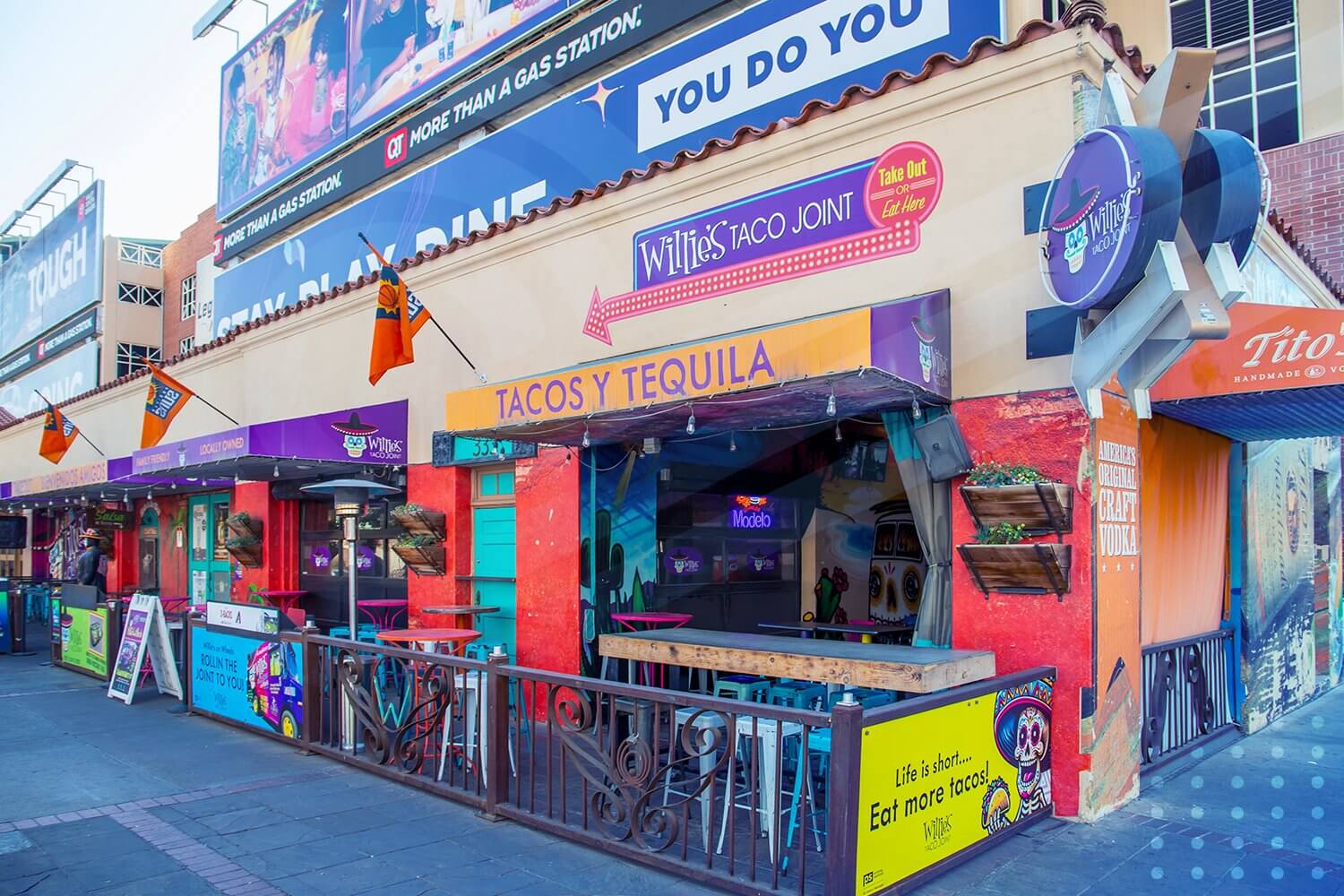
Phoenix, AZ, tops the list. Nine of the top 10 metros are in the South or West, where population growth and moderate rent do the heavy lifting. Growth markets like these are where I see the strongest cases for restaurant business loans, because rising demand supports the payments.
Phoenix, AZ (opportunity score 78). The best all-around balance in the country: about $1.6 million in average annual revenue per restaurant, 7.3% population growth, and rent at just 4.1% of revenue. New residents keep filling seats faster than new restaurants can open.
Austin, TX (75). The strongest demand near the top, with $3,615 in restaurant sales per capita and the fastest population growth of any leader (13.9%). Its food trucks show how far a lean concept can travel here.
Dallas-Fort Worth, TX (74). Scale plus value: 10.6% growth, $3,125 in sales per capita, and rent at 4% of revenue across a metro of 8.5 million people.
Orlando, FL (71). Tourism keeps demand high year-round, with $3,511 in sales per capita and 10.3% population growth.
Nashville, TN (70). A genuine restaurant scene and heavy tourism push sales per capita to $3,455, with 8.7% growth. The hot-chicken-and-honky-tonk reputation doesn't hurt.
Houston, TX (69). One of the most diverse food cultures in the country, and one of the best values on the board: rent runs just 4% of an average restaurant's revenue.
Las Vegas, NV (68). The highest restaurant sales per capita in the study ($4,392) and the highest average revenue per restaurant ($1.9 million). It lands seventh only because it's densely saturated, at 227 restaurants per 100,000 residents.
San Antonio, TX (67). The best rent value among the leaders, at 3.8% of revenue, in a metro growing 9.5%.
Denver, CO (63). The highest median household income in the top 10 ($108,046) and a strong restaurant scene, though slower growth (4.1%) keeps it from climbing higher.
Atlanta, GA (61). A large, growing Southern hub with $3,029 in sales per capita and rent at a comfortable 4.2% of revenue.
Why the Cheapest Cities Aren't Always the Best
It's tempting to chase the lowest rent, but cheap rent usually comes with a reason, and it's where I see operators get into trouble.
Look at the metros with the lowest commercial rent. Pittsburgh ($15.57 per square foot), Oklahoma City ($16.85), and Cincinnati ($17.06) all keep rent under 4% of an average restaurant's revenue, which sounds ideal. But their restaurant sales per capita are among the lowest in the study (Pittsburgh at $2,288, noticeably under the $2,900 to $3,600 range across the top 10 markets). Low rent, but not enough diners to fill the room.
At the other extreme, the famous food cities are both expensive and crowded. San Francisco packs 279 restaurants per 100,000 residents, the most of any metro, and rent there runs about 7% of revenue. New York (NYC) is heavier still at 8.4%, and Washington, D.C. isn't far behind at 5.8%. That combination of high rent plus oversaturation is why they rank where they do, even with strong demand.
Most of the top 10 hit a middle ground: enough demand to fill seats, rent that stays near or below the industry's comfortable range, and room in the market for one more restaurant. Industry guidance puts a healthy rent load at roughly 5% to 8% of yearly sales, so the metros where rent stays around 4% of an average restaurant's revenue give a new location room to breathe, even after you factor in cost of living.
| Profile | Metro | Rent ($/sq ft) | Rent as % of annual revenue | Sales per capita | Restaurants per 100k |
|---|---|---|---|---|---|
| Cheap but thin | Pittsburgh, PA | $15.57 | 3.8% | $2,288 | 227 |
| Expensive and crowded | San Francisco, CA | $38.60 | 7% | $3,823 | 279 |
| Expensive and crowded | New York, NY | $42.27 | 8.4% | $3,293 | 260 |
| Value sweet spot | Houston, TX | $24.55 | 4% | $2,956 | 184 |
| Value sweet spot | San Antonio, TX | $23.47 | 3.8% | $2,914 | 189 |
Format matters too. Higher-margin concepts can absorb pricier markets better. Whether bars are profitable depends heavily on this same rent-to-revenue math.
Tips for Financing Your Restaurant in a Top Market
Picking the market is only half the decision; the financing has to fit it, too. The best restaurant loans depend on the market you're entering:
A high-growth metro (say, Austin or Dallas-Fort Worth). This usually means a build-out or a second location, so an SBA loan (backed by the U.S. Small Business Administration) fits real estate and construction well, with longer terms and lower payments.
A market with big seasonal swings (tourism-driven Orlando or Las Vegas). A business line of credit earns its keep here, smoothing cash flow between busy and slow months.
Opening or upgrading a kitchen anywhere. This calls for equipment financing, which uses the restaurant equipment itself as collateral.
Hiring ahead of a strong season. A short-term business loan covers the payroll bump until the new revenue catches up.
Minimum Qualifications

$10,000 in monthly revenue
Your business must earn at least $10K per month in a business bank account.

500+ credit score
You can get approved with any credit score. But the better your credit rating, the better interest rates lenders offer. Your FICO score should be above 500.

Minimum six months in business
Your company should be operational for a minimum of six months. This shows business lenders that your company is sustainable and won't go out of business.

Have a business bank account
Your Clarify advisor will need three or four months of your most recent bank statements to verify income. This is just to see you're actually making $10K+ month in revenue.
Finance Your Next Restaurant in the Right Market
The data won't pick your city for you, but it'll keep you honest. The best market balances steady demand, rent you can carry, and a little room in the field, not just a famous name or a bargain lease. Find the metro where those line up, match it with financing that fits the move, and your next location starts from a position of strength. When you're ready, apply today to see your options without a ding to your credit.
Methodology
We started with the 50 largest U.S. metropolitan statistical areas by 2025 population and scored each on seven metrics, using the most recent year available for each:
Restaurant sales per capita and average revenue per restaurant (weighted highest, at 20% each)
Population growth, 2020 to 2025 (15%)
Rent as a percentage of average restaurant revenue (15%)
Saturation, or restaurants per 100,000 residents (10%, where fewer scores higher)
Median household income (10%)
Year-over-year change in seated diners, our stand-in for foot traffic (10%)
We convert each metric to a percentile rank across the 50 metros, then combine them into a 0 to 100 opportunity score. Sources: restaurant establishment and employment counts come from the U.S. Census Bureau County Business Patterns (2023, NAICS 722); sales from the 2022 Economic Census; median household income from the American Community Survey (2024); population and growth from the Census Population Estimates Program (Vintage 2025); commercial rent from Cushman & Wakefield's U.S. Shopping Center MarketBeat (Q2 2026), which put the national average asking rent at $25.65 per square foot; and diner demand from OpenTable's State of the Industry data. Two metros (Fresno and Grand Rapids) lack comparable rent data, and 15 lack seated-diner data, so we scored those metrics neutrally for the affected cities.
Best Cities To Open a Restaurant FAQ
These are the questions I hear most often from restaurant owners weighing a new location.
What Is the 30/30/30 Rule for Restaurants?
It's a quick budgeting guideline: Aim for food costs around 30% of revenue, labor around 30%, and overhead like rent, utilities, and insurance around 30%, which leaves roughly 10% as profit. Real restaurants vary (a high-rent market might push overhead up and food costs down), but it's a useful gut check before you sign a lease.
What Is the 60/40 Restaurant Rule?
The 60/40 rule says at least 60% of your sales should come from food and non-alcoholic drinks, with no more than 40% from alcohol. It started as a liquor-licensing requirement in some cities and stuck around as a rough balance check, since a healthy full-service restaurant usually isn't leaning too hard on the bar to survive.
What Is the Best State To Open a Restaurant In?
By our ranking, Texas. Four of the top eight metros are Texan (Austin, Dallas-Fort Worth, Houston, and San Antonio), thanks to strong population growth, solid restaurant sales, and rent that stays around 4% of an average restaurant's revenue. It's the rare state that pairs big-market demand with small-market costs.
What Is the Most Profitable Restaurant To Own?
Formats with low food costs and fast turnover tend to run the best margins. Fast casual concepts average around 17%, pizzerias around 15%, and bars roughly 10% to 15%, since drinks carry far higher markups than food. Full-service and casual dining usually run thinner.

Michael Baynes
Co-founder, Clarify
Michael has over 15 years of experience in the business finance industry working directly with entrepreneurs. He co-founded Clarify Capital with the mission to cut through the noise in the finance industry by providing fast funding and clear answers. He holds dual degrees in Accounting and Finance from the Kelley School of Business at Indiana University. More about the Clarify team →
Related Posts