


 Reviewed by
The U.S. child care market is valued at $65.15 billion and growing at 6% annually, with nearly 70% of children under six having all available parents in the workforce.
Demand for licensed child care isn't slowing down, but many business owners who come to me for financial help opening or expanding a day care center need serious capital. They need to cover facility costs, licensing, playground equipment, and staffing, plus enough working capital to sustain operations before enrollment reaches capacity. Child care businesses borrowed over $1.1 billion through SBA programs alone in 2023.
Here's what you need to know about financing options for your day care business.
| Day care business loan options | Funding speed | Borrow up to | Rate/cost | Best for | |
|---|---|---|---|---|---|
| SBA 7(a) loans | Several weeks | $5M | 9.5% to 15.25% | Facility purchases, renovations, large expansions | Jump to details |
| SBA 504 loans | Several weeks | $5.5M | Below-market fixed rates | Commercial real estate and major facility improvements | Jump to details |
| Term loans | 24 to 72 hours | $5M | 6% to 12% APR | Build-outs, second locations, planned investments | Jump to details |
| Business lines of credit | 24 to 48 hours | $5M | 6% to 14% APR | Working capital, payroll, enrollment gaps | Jump to details |
| Equipment financing | 1 to 2 days | 100% of equipment value | 4% to 45% APR | Playground equipment, furniture, vehicles | Jump to details |
| Microloans | Varies | $50,000 | Varies by lender | Home-based day care, smaller startup costs | Jump to details |
Apply for a Daycare Business Loan
SBA 7(a) Loans
SBA 7(a) loans, backed by the Small Business Administration, are the most popular financing choice for child care businesses, and the numbers back that up: Day care operators borrowed $565 million through 793 SBA 7(a) loans in 2023. Variable rates range from 9.5% to 12.0%, with fixed rates from 12.25% to 15.25%. The most common terms are 10-year and 25-year loans with 75% guarantees.
These loans cover a wide range of day care business needs: purchasing or renovating a facility, refinancing existing debt, buying equipment, and funding working capital. The approval process takes several weeks and requires meeting stricter SBA loan requirements than alternative lenders, but the lower interest rates and longer repayment terms make a real difference on a loan you'll carry for 10 to 25 years.
SBA 504 Loans
SBA 504 loans are designed specifically for major fixed assets like commercial real estate and large-scale facility improvements. The structure splits the funding: 50% from a third-party lender, 40% from a Certified Development Company (CDC), and 10% owner equity. Child care businesses borrowed $538 million through 196 SBA 504 loans in 2023.
If you're buying a building for your day care center or converting a commercial space into a licensed facility, this is often the best option. The fixed, below-market interest rates keep your monthly costs predictable, which matters when your revenue depends on enrollment reaching capacity.
Term Loans
A term loan gives you a lump sum up front that you repay on a fixed schedule. Short-term options run six to 24 months; long-term options stretch three to 10 years. APRs range from 6% to 12%, and funding happens in 24 to 72 hours.
For day care owners who need capital faster than the SBA timeline allows, term loans fill the gap. They work well for facility build-outs, opening a second location, or covering a large renovation project where you need the funds within days rather than weeks.
Business Lines of Credit
A business line of credit gives you revolving access to funds. Draw what you need, pay interest only on what you use, and the credit replenishes as you repay. Funding in 24 to 48 hours, up to $5M, 6% to 14% APR.
Day care centers have a unique cash flow challenge: Enrollment fluctuates seasonally (summer dips are common), and new centers can take six to 12 months to reach full capacity. A line of credit covers payroll, rent, supplies, and insurance during those months when tuition revenue hasn't caught up to your operating costs. I've worked with child care providers who treat it as a financial safety net they tap during slow enrollment periods and repay once the roster fills back up.
Equipment Financing
Equipment financing is built for purchasing specific assets. For day care businesses, that means playground equipment ($20,000 to $60,000 installed, depending on capacity), cribs, high chairs, and classroom furniture (about $600 per child for large items), and child care transport vehicles ($100,000 to $150,000 for a new child care bus). The equipment acts as collateral, with APRs from 4% to 45% and terms from 24 to 72 months.
Playground equipment is one of the largest single purchases for any day care facility, and it's required for licensing in most states. Financing lets you install a compliant, safe outdoor space without draining your cash reserves before you've enrolled a single child.
Microloans
SBA microloans will get you up to $50,000, with the average loan around $13,000. They're managed through nonprofit, community-based organizations and are designed for smaller startup needs. For home-based day care operators and entrepreneurs launching a first center on a lean budget, Microloans cover licensing fees, initial supplies, safety modifications, and basic equipment.
Qualification requirements are often more flexible than traditional small business loans, making microloans a realistic option for small business owners with limited credit history or newer businesses. Some microloan programs also provide business training and technical assistance alongside the funding.
How Day Care Owners Use Financing
Child care providers put loan funds to work across every stage of the business. Here are the most common use cases.

Facility renovation and build-out
Converting retail or office space to a licensed day care center costs $5,000 to $250,000. SBA 504 loans and term loans cover construction, plumbing, fire safety upgrades, and the 35 indoor square feet per child that most states require.
Playground equipment
A day care center playground for up to 30 children costs $20,000 to $60,000 installed, with annual maintenance running $500 to $2,000. Equipment financing spreads this into monthly payments while you generate tuition revenue from day one.

Staffing and payroll
Monthly payroll runs $36,000+, depending on center size, and the median child care worker wage is $15.41 per hour. Lines of credit cover payroll during the enrollment ramp-up before tuition catches up to costs.

Licensing and compliance
State licensing fees, background checks, fire inspections, and more can cost $5,000 to $15,000. These costs aren't optional, and working capital loans help you cover them without dipping into operating cash.

Transportation
New child care buses cost $100,000 to $150,000. Adding pickup and drop-off service can be a competitive advantage, especially for after-school programs. Equipment financing keeps the vehicle cost off your balance sheet while you build the route.

Expanding to additional locations
Opening a second day care center means replicating your entire cost structure: facility, equipment, licensing, and staff. Term loans and SBA 7(a) loans provide the capital for growth without overextending your existing center's cash flow.
What It Costs To Start a Day Care
Startup costs vary dramatically depending on your model. Here's what to expect.
| Day care type | Total startup cost | Equipment/furnishing budget | Space needed |
|---|---|---|---|
| Home-based day care (4 to 6 children) | $36,800 to $38,000 | $5,000 playground + $3,000 indoor furniture | Home space, 35 sq ft per child indoors |
| Small child care center (20 to 30 children) | $50,000 to $150,000 | $600 per child large equipment + $20,000 to $60,000 playground | 700 to 1,050 sq ft indoors |
| Facility renovation (converting existing space) | $5,000 to $250,000 | Included in renovation budget | Varies by project scope |
| Large child care center (50+ children) | $250,000+ | $100,000 to $300,000 playground + furnishings | 1,750+ sq ft indoors |
Average profit margins for day care centers run about 5% to 10%, so most operators need financing to survive the ramp-up period before enrollment reaches full capacity. That gap between opening day and a full roster is where the right loan makes the difference.
Grants and Government Programs for Child Care Businesses
Day care business loans aren't the only funding path. The child care industry has access to federal and state programs that provide grants and subsidies to complement your financing, if you need it.
The Child Care and Development Fund (CCDF) provides $12.35 billion annually to support child care access, reaching approximately 1.5 million children and their families each month. States have to spend at least 9% of CCDF funds on quality improvement. In FY 2023, 27 states transferred $1 billion from Temporary Assistance for Needy Families (TANF) to CCDF to serve more low-income working families.
These programs typically subsidize families' child care costs (which increases your revenue by making your center affordable to more parents), not direct business grants. But state-level programs vary: Some offer direct grants for facility improvements, startup costs, or licensing upgrades (like Maryland's Child Care Capital Support Revolving Loan Fund, for example).
Check your state's child care licensing office for available programs; combining a grant with a business loan can reduce how much you need to borrow by quite a lot.
Financing for Different Types of Child Care Businesses
Different types of child care operations have different financing needs. I'll break down which products make the most sense for a few common ones.
Home-Based Day Care
The lowest startup costs of any child care model, but you still need licensing, insurance, safety modifications, and equipment. A basic setup can run from $36,800 to $38,000. Microloans and business lines of credit are the most common choices.
One thing to keep in mind: 85% of child care business closures in North Carolina between 2020 and 2025 were home-based providers. Having adequate cash reserves (or a credit line to tap during slow months) matters more for home-based operations because your enrollment capacity is small and losing even one or two families creates a real revenue gap.
Child Care Centers and Preschools
The largest capital requirement of any child care model. You're looking at facility costs (lease or purchase), renovation to meet licensing standards, playground installation, full staffing, and compliance. SBA loans (both 7(a) and 504) are the most common choices because the loan amounts match the cost structure.
The revenue side is strong: national average child care costs hit $13,128 per child per year in 2024. Child care prices have increased 29% since 2020, outpacing general inflation by seven percentage points. A 30-child center at that average generates roughly $394,000 in annual tuition. Getting to full enrollment is the challenge, and financing bridges that gap.
After-School Programs
Lower facility costs (many after-school programs use shared space at schools, community centers, or churches), but staffing and transportation are the biggest expenses. Lines of credit handle ongoing payroll, and equipment financing covers vehicles if you offer pickup service from nearby schools.
Enrollment follows the school calendar, so revenue drops during the summer. A credit line gives you the flexibility to cover fixed costs during those months without scrambling. Some after-school operators expand into summer camps to fill that gap, which may require additional equipment and marketing spend.
Minimum Qualifications

$10,000 in monthly revenue
Your business must earn at least $10K per month in a business bank account.

500+ credit score
You can get approved with any credit score. But the better your credit rating, the better interest rates lenders offer. Your FICO score should be above 500.

Minimum six months in business
Your company should be operational for a minimum of six months. This shows business lenders that your company is sustainable and won't go out of business.

Have a business bank account
Your Clarify advisor will need three or four months of your most recent bank statements to verify income. This is just to see you're actually making $10K+ month in revenue.
How To Apply for a Day Care Business Loan
The application process is simple:
Gather your documents. You'll need three months of recent bank statements, tax returns, proof of a business bank account, and your state child care license (or proof you've applied). SBA loans also require a business plan and financial statements.
Review your financials. Check your credit score, annual revenue, and existing debt. Most online lenders accept scores of 600 or higher; SBA and traditional banks typically want 680+.
Match the loan to your needs. Buying a building? SBA 504. Renovating a space? Term loan. Covering payroll during the enrollment ramp-up? Line of credit. Playground installation? Equipment financing. Matching the product to the purpose gets you better terms.
Submit your application. Clarify Capital's online application takes about two minutes.
Review your offer. Look at the total cost of the loan, not just the monthly payment. Compare the APR, repayment terms, and any fees before accepting.
Tips for Stronger Day Care Loan Applications
A few moves before you apply can improve your approval odds and the terms you're offered.
Keep your credit clean
Check both personal and business credit reports for errors, and pay down any outstanding credit card balances. Even small inaccuracies can pull your score down and limit which loan programs you qualify for.
Organize your financial records
Lenders want consistent, well-tracked revenue and expenses. Clean books speed up underwriting and signal a well-run child care business.

Show enrollment data and demand
Waitlists, enrollment growth trends, and local demographic data (families with young children in your service area) all strengthen your application. Lenders want evidence that families need your center.

Detail your facility and equipment plan
"I need $180,000 for a 2,400-square-foot renovation, playground installation, and six months of payroll" is stronger than "I need startup capital." Break the budget down by category.

Get licensed before applying
Having your state child care license (or at least proof of application) shows lenders you're compliant and serious. It removes a major risk factor from their evaluation.

Separate personal and business finances
If you're still running day care expenses through a personal bank account, open a dedicated business account before applying. Lenders check for this, and it also simplifies your financial statements at tax time.
Open the Doors to Your Day Care
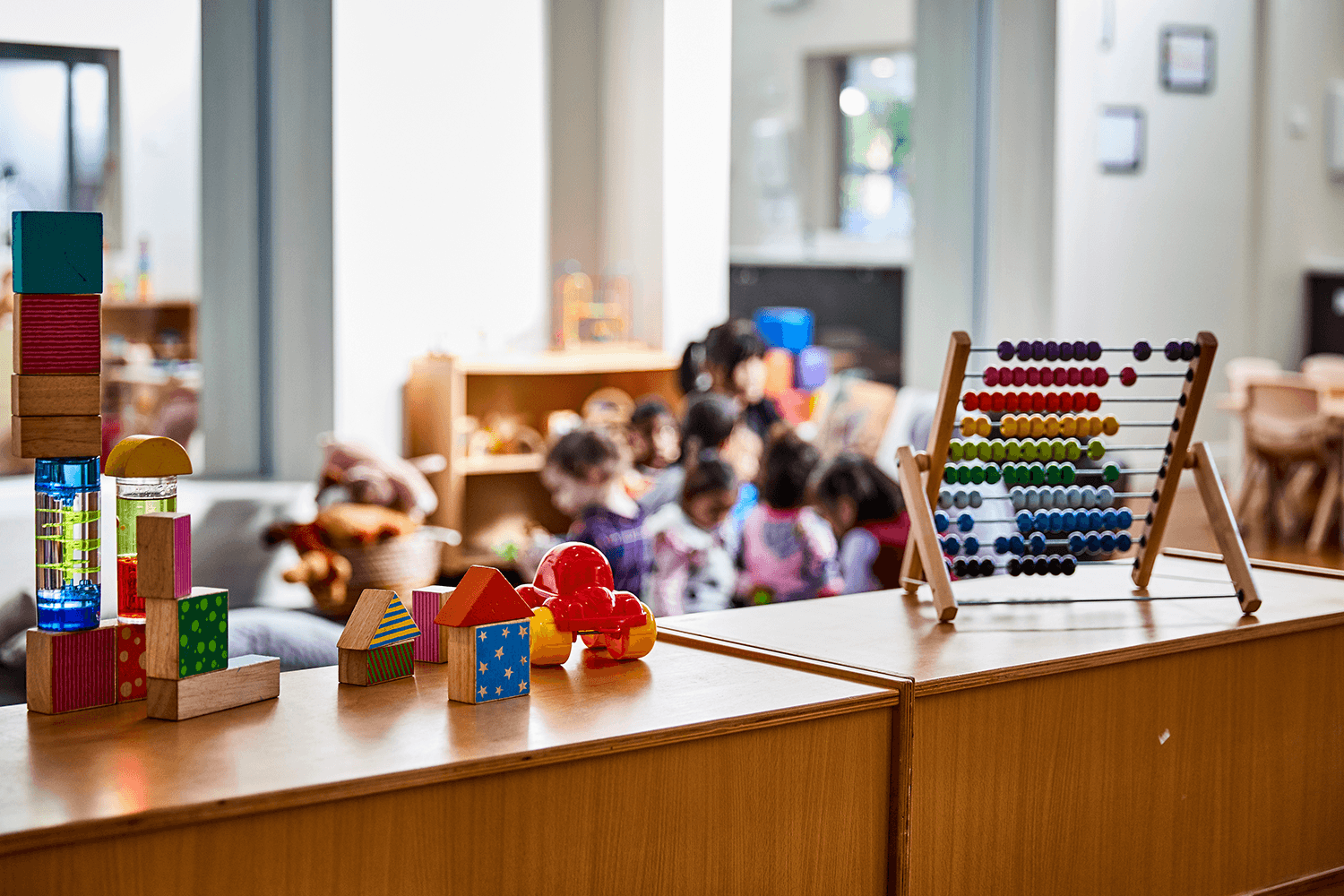
Demand for licensed child care continues to grow, with tuition rising year over year and enrollment expected to increase. The right financing covers the gap between your savings and what a licensed, properly equipped center actually costs. Whether you're converting a spare room into a home-based day care or building out a 50-child facility from the ground up, business funding gives you the capital to open your doors on your timeline.
Apply through Clarify Capital to get matched with an advisor who understands what child care businesses need to grow.
Frequently Asked Questions
I'm often asked questions like these when day care business owners are looking for financing.
Can I Get a Small Business Loan To Start a Day Care?
Yes, but most lenders require at least six months in business. SBA microloans (up to $50,000) are one of the most accessible options for day care startups. Equipment financing may also work before you open if you have good personal credit and a solid business plan showing demand in your area.
How Profitable Is a Day Care Business?
Average profit margins for day care centers run about 5% to 10%. Revenue depends on enrollment and tuition rates. The national average child care cost was $13,128 per child per year in 2024, up 29% from 2020.
What Documents Do I Need To Apply for a Day Care Loan?
At minimum: three months of recent bank statements, tax returns, a business bank account, and proof of business registration. SBA loans require a business plan and financial statements. Your state child care license (or proof of application) strengthens the application. Clarify Capital's process takes about two minutes and primarily uses bank statements to verify income.
How Much Does It Cost To Start a Day Care?
A home-based day care runs $36,800 to $38,000 for a basic setup. A small child care center (20 to 30 children) typically requires $50,000 to $150,000. Larger centers (50+ children) can exceed $250,000.

Bryan Gerson
Co-founder, Clarify
Bryan has personally arranged over $900 million in funding for businesses across trucking, restaurants, retail, construction, and healthcare. Since graduating from the University of Arizona in 2011, Bryan has spent his entire career in alternative finance, helping business owners secure capital when traditional banks turn them away. He specializes in bad credit funding, no doc lending, invoice factoring, and working capital solutions. More about the Clarify team →
Related Posts