

 Reviewed by
The U.S. bakery cafe market is valued at $17.8 billion. Demand for baked goods is steady, and the social media effect (a single viral cookie or cake video can flood your order queue overnight) has created growth opportunities that didn't exist five years ago.
That has me helping a lot of business owners fund their bakeries these days. Turning a viral recipe into a retail bakery business takes serious capital: commercial ovens, mixers, refrigeration, a storefront build-out, and enough money to cover ingredients and payroll before your revenue catches up. Here's what I tell bakery owners looking to finance that jump.
| Bakery business loan options | Funding speed | Loan amount | Rate/cost | Best for | |
|---|---|---|---|---|---|
| SBA 7(a) loans | Several weeks | Up to $5M | 9.5% to 15.25% | Build-outs, equipment, working capital | Jump to details |
| Equipment financing | 1 to 2 days | 100% of equipment value | 4% to 45% APR | Ovens, mixers, refrigeration, display cases | Jump to details |
| Term loans | 24 to 72 hours | Up to $5M | 6% to 12% APR | Storefront renovation, expansion | Jump to details |
| Business lines of credit | 24 to 48 hours | Up to $5M | 6% to 14% APR | Ingredient inventory, payroll, seasonal spikes | Jump to details |
| Merchant cash advances | 24 hours | Up to $5M | 1.08 to 1.45 factor rate | Fast cash based on future sales | Jump to details |
| SBA microloans | Varies | Up to $50,000 | Varies by lender | Home bakeries, small startups | Jump to details |
Apply for a Bakery Business Loan
SBA 7(a) Loans
SBA 7(a) loans are backed by the Small Business Administration, which means lower interest rates and longer repayment terms. You can get up to $5 million, with variable rates from 9.5% to 12.0% and fixed rates from 12.25% to 15.25%. Terms run 10 to 25 years, depending on use.
The downside is that the approval process takes several weeks and requires more documentation (including a business plan, financial statements, and tax returns), but the savings over the life of the loan are significant for a bakery owner carrying a six-figure build-out.
The food service sector is one of the SBA's most active categories. Bakeries are a strong fit for SBA financing because the loan program covers everything from storefront renovations and bakery equipment to working capital and real estate purchases. You'll need to meet the standard SBA loan requirements.
Equipment Financing
Equipment financing is made for the specific machinery bakeries depend on.
Commercial ovens run $2,000 to $50,000 (convection on the low end, deck ovens for artisan breads in the middle, conveyor ovens for high-volume production at the top). Commercial planetary mixers cost $3,000 to $20,000, walk-in refrigeration runs $10,000 to $14,000, proofers cost $1,000 to $18,000, and display cases add $1,000 to $5,000.
The equipment serves as collateral, so eligibility requirements tend to be more flexible than unsecured loans. APRs range from 4% to 45% with 24 to 72-month terms and monthly payments. If you're opening a new bakery, equipment financing lets you outfit your kitchen without draining the cash you need for ingredients, staff, and your first few months of rent.
Term Loans
A term loan gives you a lump sum up front that you repay on a fixed schedule. Short-term options run six to 24 months; long-term options stretch three to 10 years. APRs range from 6% to 12%, with funding in 24 to 72 hours.
For bakery owners, term loans work well for storefront renovations, opening a second location, or any planned investment where you know exactly how much you need.
Bakery build-outs run $300 to $400 per square foot for new construction, and renovating an existing space costs $5,000 to $50,000. The predictable repayment structure makes it easier to budget against your monthly revenue from baked goods.
Business Lines of Credit
A business line of credit gives you revolving access to working capital. Draw what you need, pay interest only on what you use, and the credit replenishes as you repay. Funding in 24 to 48 hours, up to $5M, 6% to 14% APR.
Bakeries have a unique cash flow pattern: ingredient costs are constant, but revenue fluctuates with foot traffic, catering orders, and holidays.
A credit line covers ingredient stock-ups before peak seasons like Thanksgiving, Christmas, Valentine's Day, and wedding season, and bridges the slower months.
Merchant Cash Advances
A merchant cash advance gives you an advance on future sales, repaid as a percentage of your daily or weekly card transactions. Factor rates range from 1.08 to 1.45, with funding as fast as same-day. Alternative lenders offering MCAs focus on your cash flow rather than your personal credit score, making them accessible to bakery owners without much credit history.
The cost is higher than a traditional bank loan or SBA financing, so MCAs work best for specific, time-sensitive situations: a broken oven that needs immediate replacement, a bulk ingredient buy before a major holiday rush, or a catering opportunity that requires up-front spending.
Understand the total repayment amount before signing.
SBA Microloans
SBA microloans provide up to $50,000, with the average around $13,000. They're managed through nonprofit community organizations and work well for bakery startups and smaller capital needs. A microloan covers initial costs without requiring you to take on a large debt before you've baked your first commercial batch.
Qualification is more flexible than traditional small business loans, making microloans a realistic option for entrepreneurs and first-time bakery owners with limited credit history.
How Bakery Owners Use Financing
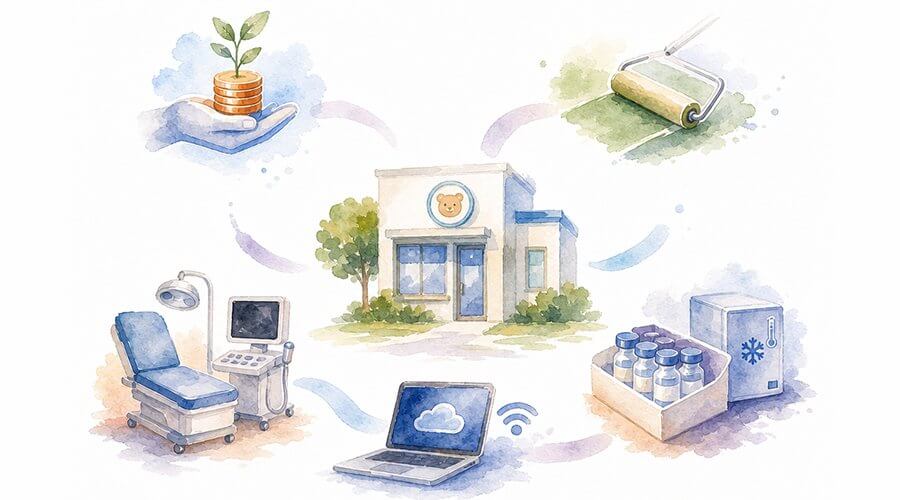
Bakery owners put loan funds to work across every part of the business.

Commercial kitchen equipment
Ovens ($2,000 to $50,000), mixers ($3,000 to $20,000), refrigeration, proofers, dough sheeters, and display cases. Equipment financing keeps these costs manageable while your bakery generates revenue from day one.

Storefront build-out
New bakery construction runs $300 to $400 per square foot. Renovating an existing space is $5,000 to $50,000. Term loans and SBA loans cover the build-out so you can open a retail location with a proper kitchen, front-of-house, and display area.

Ingredient inventory
Lines of credit let you stock up before holidays and peak catering season without waiting on receivables to clear first.

Hiring and payroll
Skilled bakers, counter staff, and delivery drivers. Cash flow is tight in the first six to 12 months of a new bakery, and a credit line or working capital loan covers payroll while you build your customer base through foot traffic and social media.

Equipment upgrades
Upgrading from a convection oven to a deck oven, adding a second mixer, or installing walk-in refrigeration to handle wholesale orders. Equipment financing lets you upgrade equipment without a large up-front cash outlay.
Opening a second location
Once your first bakery is profitable, expanding to a second storefront requires replicating your entire cost structure. Business expansion loans and SBA 7(a) loans fund that growth.
What It Costs To Start a Bakery
Startup costs vary by business model.
| Bakery type | Startup cost | Equipment budget |
|---|---|---|
| Commercial/wholesale bakery | $308,000+ (CAPEX) | $100,000+ |
| Franchise (Nothing Bundt Cakes) | $667,100 to $906,500 | Included in investment |
| Franchise (Crumbl Cookies) | $816,000 to $1,443,000 | Included in investment |
Ingredients aren't the only ongoing expense; monthly utilities for a bakery running six to seven days a week cost $1,000 to $2,000. Most bakery owners need financing to bridge the gap between opening day and the point where revenue consistently covers all of those costs. Starting small (home bakery, farmers market, online orders) and scaling up is a realistic path that keeps your initial loan amounts manageable.
Financing for Different Types of Bakeries
The best business financing product depends on the type of bakery you run.
Retail Bakeries and Pastry Shops
The classic storefront model: you bake on-site and sell directly to customers. Your highest up-front costs are the kitchen build-out, baking equipment, and display cases. Startup costs range from $25,000+ for a small shop to over $100,000 for a full bakery cafe with seating. Equipment financing handles the ovens and mixers; a term loan or SBA loan covers the build-out and first few months of rent.
Revenue depends on foot traffic, repeat customers, and word of mouth (social media is your best marketing tool in this model). A bakery cafe that adds coffee, sandwiches, and seating captures more revenue per visit than a pure takeout operation.
Wholesale Bakeries
Wholesale operations supply restaurants, grocery stores, and cafes with baked goods in bulk. The equipment investment is higher (high-capacity ovens, industrial mixers, packaging lines), but the revenue model is more predictable because you're filling standing orders rather than relying on walk-in traffic. Startup costs for a commercial bakery run $308,000+.
SBA 7(a) loans and equipment financing are the most common choices for wholesale bakeries. The consistent order volume makes lenders more comfortable, and the equipment collateral provides security. The trade-off: margins are tighter than retail because wholesale pricing is lower per unit.
Food Truck Bakeries
A food truck bakery lets you test locations, build a following, and generate revenue without committing to a commercial lease. Startup costs run $50,000 to $200,000 for the truck, equipment, and initial inventory. Equipment financing and food truck financing cover the vehicle and kitchen build-out.
Many successful retail bakeries started as food trucks or farmers' market stalls. The track record you build (revenue data, customer base, social media following) strengthens your loan application when you're ready to open a permanent location.
Franchise Bakeries
Franchise operators pay franchise fees and royalties, and must meet brand equipment and design standards. Nothing Bundt Cakes requires $667,100 to $906,500 in total investment with a $45,000 franchise fee and 6% royalty. Crumbl Cookies runs $816,000 to $1,443,000 with a $50,000 fee and 8% royalty. Average gross sales for both brands land around $1.3 to $1.35 million.
SBA 7(a) loans and term loans are the most common choices for franchise financing because the loan amounts match the investment requirement. The brand recognition and built-in marketing infrastructure (Crumbl's rotating weekly menu drives social media traffic automatically) can speed up your break-even timeline, but you'll still need enough capital to cover the franchise fee, build-out, and several months of operating expenses.
Minimum Qualifications

$10,000 in monthly revenue
Your business must earn at least $10K per month in a business bank account.

500+ credit score
You can get approved with any credit score. But the better your credit rating, the better interest rates lenders offer. Your FICO score should be above 500.

Minimum six months in business
Your company should be operational for a minimum of six months. This shows business lenders that your company is sustainable and won't go out of business.

Have a business bank account
Your Clarify advisor will need three or four months of your most recent bank statements to verify income. This is just to see you're actually making $10K+ month in revenue.
How To Apply for a Bakery Business Loan
Here's what you can expect in the application process:
Gather your documents. You'll need financial statements, tax returns, three months of bank statements, a business bank account, and any food service permits or licenses. SBA loans also require a business plan showing your bakery concept, target market, and revenue projections.
Review your financials. Check your personal credit score, annual revenue (or projections for a startup), and existing debt. Most alternative lenders accept scores of 600 or higher; SBA and traditional bank lenders typically want 680+.
Match the loan to your business needs. Baking equipment? Equipment financing. Storefront build-out? Term loan or SBA. Ingredient inventory for the holiday season? Line of credit. Matching the loan program to the purpose gets you better terms and faster funding.
Submit your application. Clarify Capital's online application takes about two minutes.
Review your offer. Look at the total cost, repayment terms, and any prepayment penalties before accepting. Compare loan amounts, interest rates, and repayment schedules across at least two to three lenders.
Tips for Stronger Bakery Loan Applications
Taking these steps before you apply can improve your approval odds and terms.

Keep your credit clean
Check personal and business credit reports for errors. Even small inaccuracies can pull your score down and limit your eligibility for lower-rate loan programs.
Organize your financial records
Lenders want consistent, well-tracked revenue and expenses. If you're a startup, prepare detailed projections showing your expected costs, pricing, and break-even timeline.

Show demand for your product
Pre-orders, catering contracts, farmers market sales data, and a strong social media following all demonstrate that customers want your baked goods. Lenders fund businesses with proven demand.

Detail your equipment list and costs
"I need $45,000 for a deck oven, 60-quart mixer, walk-in cooler, and three display cases" is stronger than "I need money for equipment." Specifics show you've researched the bakery industry and know what you need.

Separate personal and business finances
If you're running bakery revenue through a personal bank account, open a dedicated business account before applying. Lenders check for this during underwriting.

Get your permits in order
Food handler's permits, health department inspections, and a commercial kitchen license show lenders you're compliant and ready to operate. Missing permits add risk to your application.
Grow Your Bakery Business

The bakery industry rewards owners who can scale production, expand their reach, and invest in the right equipment. Whether you're upgrading from a home kitchen to a retail storefront, adding wholesale accounts, or opening a franchise location, the right bakery business loan bridges the gap between where you are and where the demand says you should be. Apply through Clarify Capital to be matched with an advisor who understands bakery financing and can walk you through your options.
Frequently Asked Questions
Bakery owners ask me these questions regularly during the financing process.
How Much Does It Cost To Start a Bakery?
A home or cottage bakery starts at $10,000 to $15,500. A small retail bakery runs $62,000 to $70,000. A full bakery cafe with seating costs $75,000 to over $100,000. Franchise investments (Nothing Bundt Cakes, Crumbl Cookies) range from $667,000 to $1.44 million.
Is Owning a Bakery Profitable?
It depends on your model and volume. Retail bakeries and bakery cafes have tight margins in the first year or two, but established operations with consistent foot traffic and wholesale accounts can be solidly profitable. Franchise bakeries like Nothing Bundt Cakes average $1.35 million in gross sales.
What Credit Score Do I Need for a Bakery Business Loan?
Most alternative lenders accept 600 or higher. SBA loans and traditional banks typically want 680+. Clarify Capital offers same-day funding for scores over 550. Your personal credit score affects your rate, but lenders also weigh your annual revenue, time in business, and how you plan to use the funds.
Can I Get a Bakery Loan as a Startup?
Most lenders require at least six months in business. SBA microloans (up to $50,000) are one of the more accessible options for bakery startups because they're managed through community organizations with more flexible requirements. If you've been selling at farmers' markets or taking online orders, that revenue history strengthens your application even if you haven't opened a storefront yet.

Bryan Gerson
Co-founder, Clarify
Bryan has personally arranged over $900 million in funding for businesses across trucking, restaurants, retail, construction, and healthcare. Since graduating from the University of Arizona in 2011, Bryan has spent his entire career in alternative finance, helping business owners secure capital when traditional banks turn them away. He specializes in bad credit funding, no doc lending, invoice factoring, and working capital solutions. More about the Clarify team →
Related Posts